
Best Historic Sites in Ottawa
A guide to Ottawa's most significant historic sites, from a UNESCO World Heritage canal to National Historic Sites spanning nearly 200 years. Most are free to visit.

Ottawa has more National Historic Sites than almost any city in Canada. The capital's history stretches from the 1820s canal-building era through Confederation, two world wars, and the Cold War — and much of it is preserved in buildings, monuments, and landscapes you can visit for free.
Parliament Hill — National Historic Site
Parliament Hill has been the seat of Canada's federal government since Confederation in 1867. The original Centre Block was designed by Thomas Fuller and Chilion Jones, who won an 1859 design competition. Construction began on December 20, 1859, and the buildings were officially opened on June 6, 1866.
A fire on February 3, 1916 destroyed the original Centre Block. The rebuilt Centre Block and Peace Tower (92.2 metres, inaugurated July 1, 1927) were designed by Jean Omer Marchand and John A. Pearson.
Library of Parliament
The Library of Parliament is the only part of the original Centre Block to survive the 1916 fire. It was saved by fireproof iron doors — insisted upon by the first Parliamentary Librarian Alpheus Todd and bolted shut during the fire by Dominion Archivist Arthur Doughty. The library opened on February 28, 1876.
Visiting
Centre Block is currently closed for rehabilitation (expected until approximately 2032). Free guided tours are available at the West Block (House of Commons) and the Senate of Canada Building. Advance online booking recommended at visit.parl.ca.
Rideau Canal — UNESCO World Heritage Site
The Rideau Canal is Ottawa's only UNESCO World Heritage Site, inscribed in 2007 as "the best-preserved example of a slackwater canal in North America." It was also designated a National Historic Site in 1925 and a Canadian Heritage River in 2000.
Built between 1826 and 1832 by Lieutenant-Colonel John By of the British Royal Engineers, the canal stretches 202 kilometres from Ottawa to Kingston with 45 locks at 24 stations. It was one of the first canals in the world engineered specifically for steam-powered vessels.
The eight hand-operated locks at Ottawa — between Parliament Hill and the Château Laurier — still operate using the same mechanisms from the 1830s.
In winter, a 7.8 km section through downtown becomes the Rideau Canal Skateway, first opened in the 1970–71 season.
Château Laurier — National Historic Site (1980)
The Château Laurier opened on June 1, 1912, commissioned by Charles Melville Hays, president of the Grand Trunk Pacific Railway. The château-style hotel — Indiana limestone walls, steep copper roofs, conical turrets — was designed by architects Ross and MacFarlane of Montreal.
Hays never saw the hotel open. He perished aboard the Titanic on April 14, 1912, returning from England on the ship's maiden voyage. The planned grand opening was replaced by a more subdued ceremony.
The hotel lobby is freely accessible. "Secrets of the Château Laurier" guided tours (75 minutes) explore hidden passageways, historic ballrooms, and behind-the-scenes areas.
Notre-Dame Cathedral Basilica — National Historic Site (1990)
Notre-Dame Cathedral Basilica is Ottawa's oldest surviving church. Construction began in 1841, the exterior was finished by 1846, and the interior was not completed until 1885. It became a cathedral in 1847 and was elevated to a basilica in 1879.
The interior features:
- Vaulted ceilings painted blue with gold stars
- 30 large wooden sculptures in the choir by Louis-Philippe Hébert
- 17 stained glass windows by Guido Nincheri (installed 1956–1961)
- A richly gilded apse with an intricately carved altar
Admission: Free (donations welcome). Guided tours available mid-May to mid-October.
National War Memorial
The National War Memorial, officially titled "The Response," stands at the centre of Confederation Square. Sculptor Vernon March won the commission in a 1925 international competition with 127 entries. He died in 1930; his siblings completed the work, shipping the figures to Ottawa in 1937.
The memorial features a 16-metre granite arch with 22 bronze figures — approximately 2.4 metres tall, one-third larger than life — representing all branches of service. It was unveiled on May 21, 1939 by King George VI before approximately 100,000 people.
The Tomb of the Unknown Soldier was added on May 28, 2000, containing the remains of an unidentified Canadian WWI soldier repatriated from Cabaret-Rouge British Cemetery near Vimy Ridge.
Sentries: Canadian Armed Forces members stand guard daily 9 AM–5 PM, approximately April through November.
Supreme Court of Canada
The Supreme Court of Canada building sits on a bluff above the Ottawa River, just west of Parliament Hill. Designed by Montreal architect Ernest Cormier, it was constructed between 1938 and 1940 in an Art Deco style with a châteauesque roof. The court began hearing cases here in January 1946.
Tours: Free guided tours (30 minutes) are available by advance booking online. A security check is required.
Sparks Street — Heritage Conservation District
Sparks Street became Canada's first permanent pedestrian mall in 1967, during centennial celebrations. The concept was modelled after pedestrian street experiments in Toledo, Ohio, and Kalamazoo, Michigan, originally suggested by French urban planner Jacques Gréber.
The street was Ottawa's premier shopping district through the 19th and early 20th centuries. Several heritage buildings remain:
- Central Chambers (1890) — Romanesque Revival, red sandstone with corner turret
- Blackburn Building, Bank of Nova Scotia, Canadian Imperial Bank of Commerce — All carry Federal Heritage Building status
Named after Nicholas Sparks, who donated land for the road in the 1840s.
Central Experimental Farm — National Historic Site (1998)
The Central Experimental Farm, founded in 1886, covers 426 hectares (1,055 acres) — one of the largest urban farms in the world. It was designated a National Historic Site in 1998 for its major contributions to Canadian agriculture, including the development of hardy wheat strains that helped expand farming across Western Canada.
The farm includes the Dominion Arboretum (established 1889, Canada's oldest), ornamental gardens, and research fields still in active use. The grounds are free to visit year-round.
Rideau Hall — National Historic Site (1977)
Rideau Hall has been the official residence of every Governor General of Canada since Confederation in 1867. The original house was built in 1838 by entrepreneur Thomas MacKay as a family home. The 79-acre estate was designated a National Historic Site in 1977.
Tours: Free guided tours (45 minutes) of the residence, art collection, and grounds are offered year-round. Check the schedule for reservations.
Aberdeen Pavilion — National Historic Site (1983)
The Aberdeen Pavilion at Lansdowne, nicknamed "The Cattle Castle," was built in just two months in 1898 by architect Moses Chamberlain Edey. Designed in the spirit of London's Crystal Palace, it is the oldest surviving exhibition hall of its type in Canada.
Named after Governor General Lord Aberdeen, who presided over its opening, it originally served as the central hall for the Central Canada Exhibition. Today it hosts the 613flea market, Ottawa Farmers' Market, and community events.
Admission: Free.
Beyond Downtown
Diefenbunker — National Historic Site (1994)
The Diefenbunker is a four-storey underground bunker built between 1959 and 1962 under Prime Minister John Diefenbaker. The over 9,300 m² reinforced concrete shelter was designed to house the federal government during a nuclear attack. It was decommissioned in 1994 and recognized as the most important surviving Cold War site in Canada.
Located in Carp (~30 km west of downtown). Self-guided admission: Adults $19.50, Seniors $17.50, Students $15, Youth $13. Also offers "Escape the Diefenbunker" — described as the world's largest escape room.
Billings Estate — National Historic Site (1968)
The Billings Estate in south Ottawa is the oldest wooden house in Ottawa, built in 1828–1829 by Braddish Billings, Gloucester Township's first settler. The classical-style home was continuously occupied by the Billings family until 1975, when it became a museum.
Open May to October, Wednesday–Sunday 10 AM–5 PM. Admission: Adults $7.25, Students/Seniors $6.
Watson's Mill — Heritage Property
Watson's Mill in Manotick is a working grist mill on the Rideau River, built in 1860 by Moss Kent Dickinson and Joseph Currier. It is one of the few operating heritage grist mills in North America.
Open May to October. Admission by donation. Live milling demonstrations on Sundays.
At a Glance
| Site | Designation | Year Built | Free? |
|---|---|---|---|
| Parliament Hill | National Historic Site | 1859–1927 | Yes |
| Rideau Canal | UNESCO World Heritage Site | 1826–1832 | Yes |
| Château Laurier | National Historic Site (1980) | 1912 | Lobby free |
| Notre-Dame Cathedral | National Historic Site (1990) | 1841–1885 | Yes |
| National War Memorial | — | 1939 | Yes |
| Supreme Court | Federal Heritage Building | 1938–1940 | Yes |
| Sparks Street | Heritage Conservation District | 1840s | Yes |
| Central Experimental Farm | National Historic Site (1998) | 1886 | Yes |
| Rideau Hall | National Historic Site (1977) | 1838 | Yes |
| Aberdeen Pavilion | National Historic Site (1983) | 1898 | Yes |
| Diefenbunker | National Historic Site (1994) | 1959–1962 | Paid |
| Billings Estate | National Historic Site (1968) | 1828–1829 | Paid |
| Watson's Mill | Ontario Heritage Act | 1860 | By donation |
Tips
- Most downtown sites are within walking distance of each other — combine Parliament Hill, the War Memorial, Sparks Street, and the Château Laurier in a single walk. See our downtown walking tour → for a suggested route.
- Book tours in advance for Parliament Hill, Rideau Hall, and the Supreme Court.
- The Rideau Canal locks at Ottawa operate May through October — watching the hand-operated locks in action is free.
- The Diefenbunker is a 30-minute drive from downtown but worth the trip for Cold War history.
FAQ
What is Ottawa's UNESCO World Heritage Site?
The Rideau Canal is Ottawa's only UNESCO World Heritage Site, inscribed in 2007 as the best-preserved example of a slackwater canal in North America. Built between 1826 and 1832, it stretches 202 kilometres from Ottawa to Kingston with 45 locks at 24 stations.
Can you tour Parliament Hill in Ottawa?
Centre Block is currently closed for rehabilitation until approximately 2032. Free guided tours are available at the West Block (House of Commons) and the Senate of Canada Building. Advance online booking is recommended at visit.parl.ca.
Are historic sites in Ottawa free to visit?
Most historic sites in Ottawa are free, including Parliament Hill tours, the Rideau Canal, Notre-Dame Cathedral Basilica, the National War Memorial, Supreme Court, Sparks Street, Central Experimental Farm, Rideau Hall, and Aberdeen Pavilion. The Diefenbunker and Billings Estate charge admission.
What is the Diefenbunker in Ottawa?
The Diefenbunker is a four-storey underground bunker built between 1959 and 1962 to house the federal government during a nuclear attack. Located in Carp, about 30 km west of downtown, it is recognized as the most important surviving Cold War site in Canada. Admission is $19.50 for adults.
What happened to the original Parliament Centre Block?
A fire on February 3, 1916 destroyed the original Centre Block. The only surviving part is the Library of Parliament, saved by fireproof iron doors. The rebuilt Centre Block and Peace Tower were designed by Jean Omer Marchand and John A. Pearson, with the Peace Tower inaugurated on July 1, 1927.
📍Featured Places
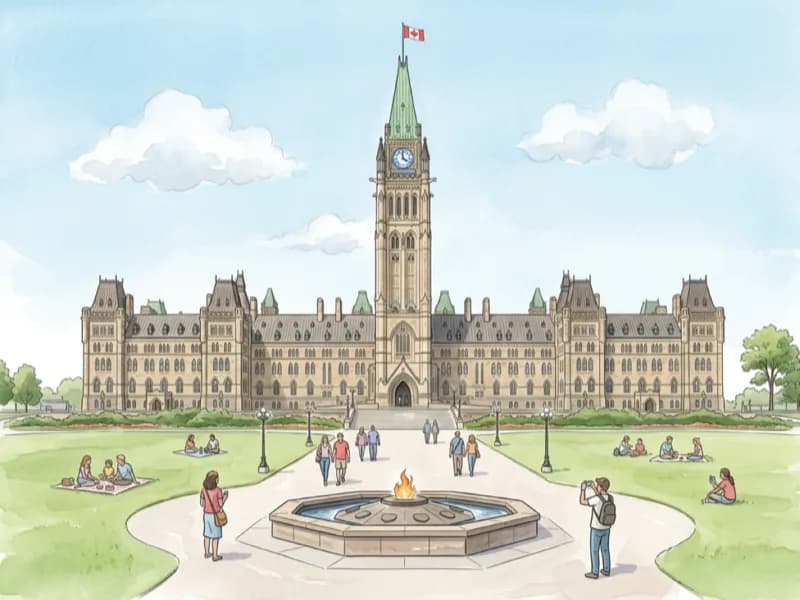
Parliament Hill
Canada's seat of federal government and a National Historic Site, featuring the iconic Peace Tower, the Centennial Flame, and free guided tours of the West Block and Senate. Centre Block is closed for renovation until the early 2030s.
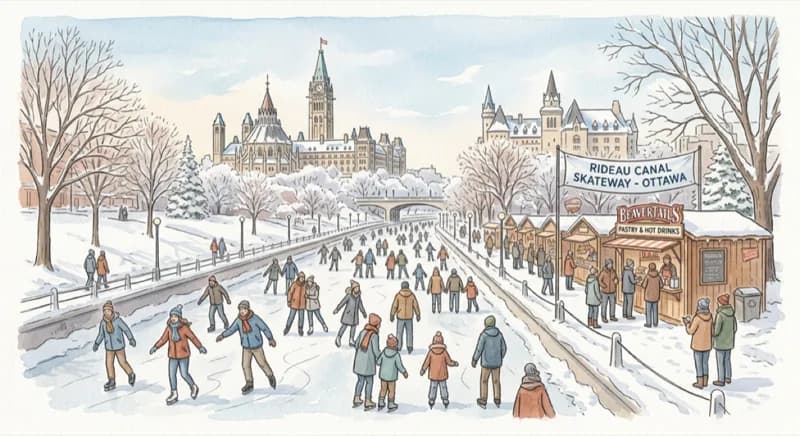
Rideau Canal
A UNESCO World Heritage Site and the world's largest naturally frozen skating rink in winter. Perfect for walks, cycling, and boating in summer.
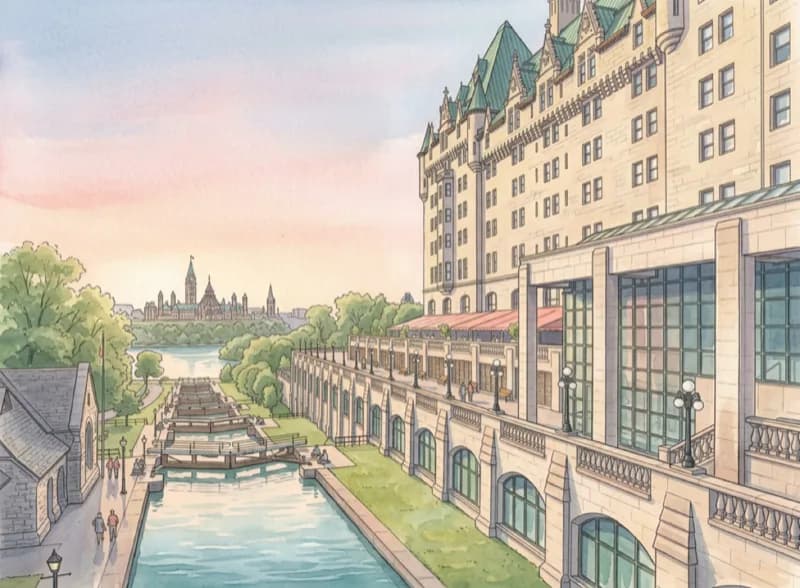
Fairmont Château Laurier
One of Canada's most iconic hotels and a National Historic Site since 1981. The 1912 Châteauesque limestone building sits between Parliament Hill and the Rideau Canal locks, with a lobby, restaurants, and public spaces open to all visitors.
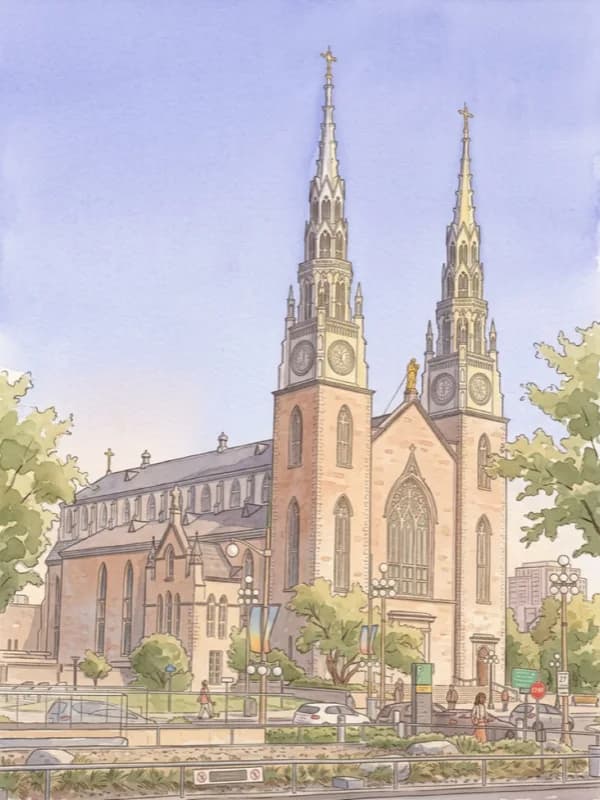
Notre-Dame Cathedral Basilica
Ottawa's oldest and most architecturally significant church, designated a National Historic Site in 1990. The Gothic Revival basilica features twin 54.5-metre spires, 17 stained glass windows by Guido Nincheri, 30 life-sized carved wooden figures, and a vaulted ceiling painted blue with gold stars. Free to visit.
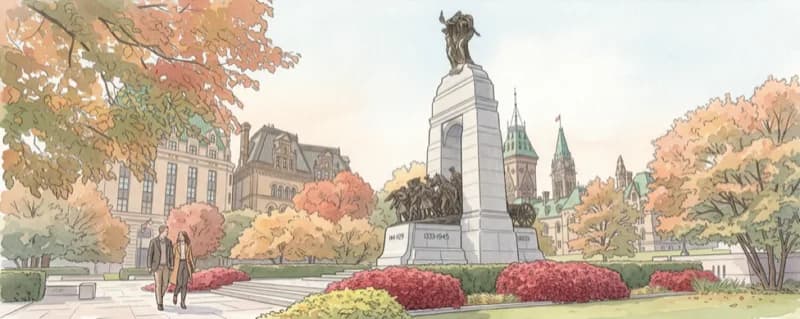
National War Memorial
Canada's national monument honouring those who have served and died in all conflicts, centred on a 16-metre granite arch with 22 bronze figures by sculptor Vernon March. Unveiled by King George VI in 1939, it includes the Tomb of the Unknown Soldier (added 2000). Sentries stand guard daily from April to November.
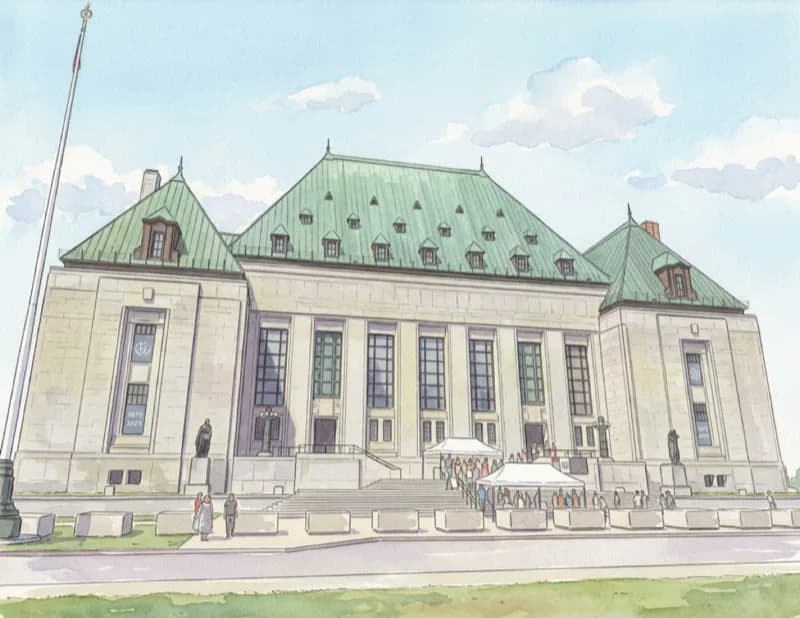
Supreme Court of Canada
Canada's highest court, housed in an Art Deco building designed by Ernest Cormier with a distinctive Château-style copper roof. Free guided tours take visitors through the marble lobby and the black-walnut-panelled main courtroom. Public hearings are also open to attend.
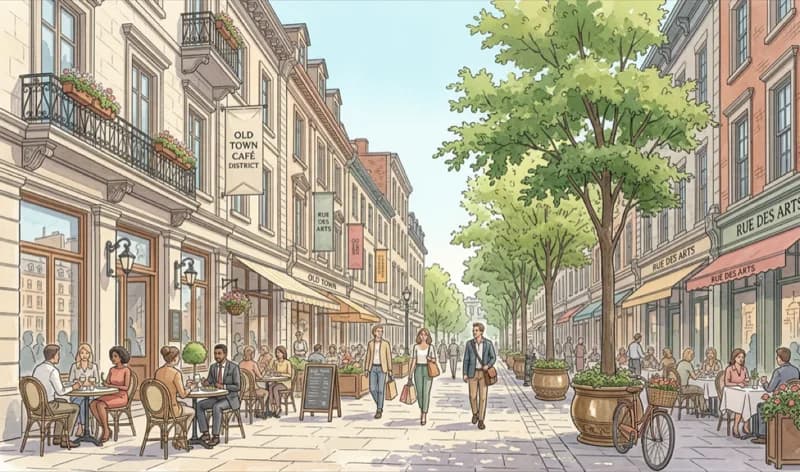
Sparks Street
Canada's first permanent pedestrian mall, established in 1967. The car-free promenade stretches four blocks between Elgin and Lyon streets, one block south of Parliament Hill. Features heritage buildings, restaurant patios, and summer festivals including the Ottawa International Buskerfest.
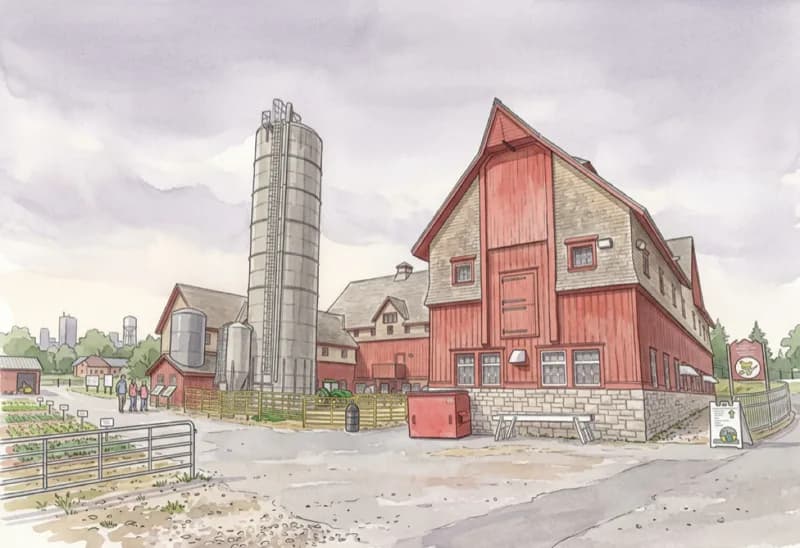
Central Experimental Farm
A 427-hectare National Historic Site in the heart of Ottawa, home to ornamental gardens, a free tropical greenhouse, the Fletcher Wildlife Garden, and the Canada Agriculture and Food Museum. Active agricultural research farm since 1886 with year-round free access to grounds.
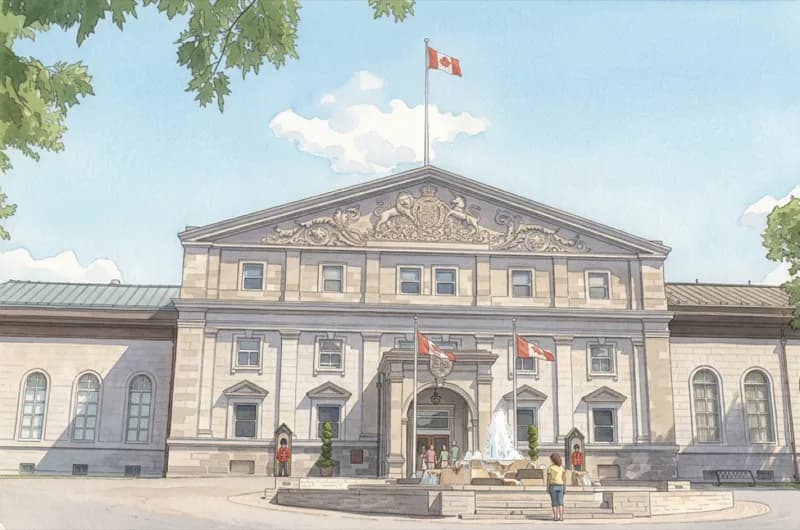
Rideau Hall
The official residence of the Governor General of Canada, set on 32 hectares of gardens, forests, and grounds in Rockcliffe. Free guided tours of the state rooms are available, and the grounds are open daily from 8 AM to sunset. Features a greenhouse, picnic area, playground, and winter skating rink.
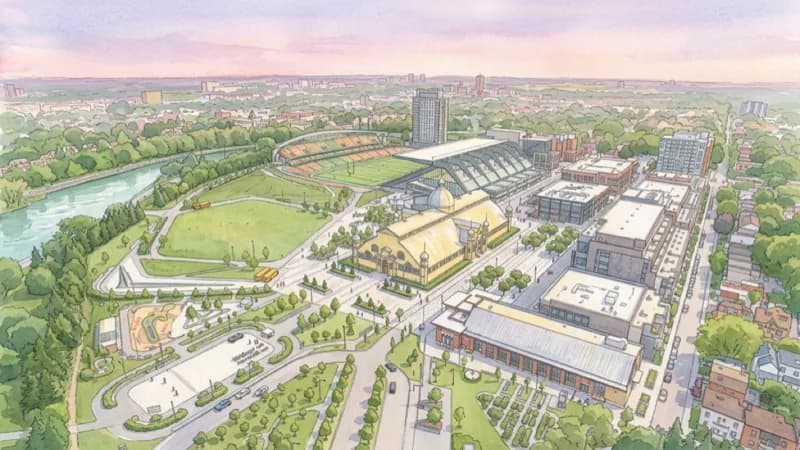
Lansdowne
A mixed-use urban park in The Glebe featuring the historic Aberdeen Pavilion, TD Place stadium and arena, the Ottawa Farmers' Market, shops, restaurants, and public green spaces along the Rideau Canal.
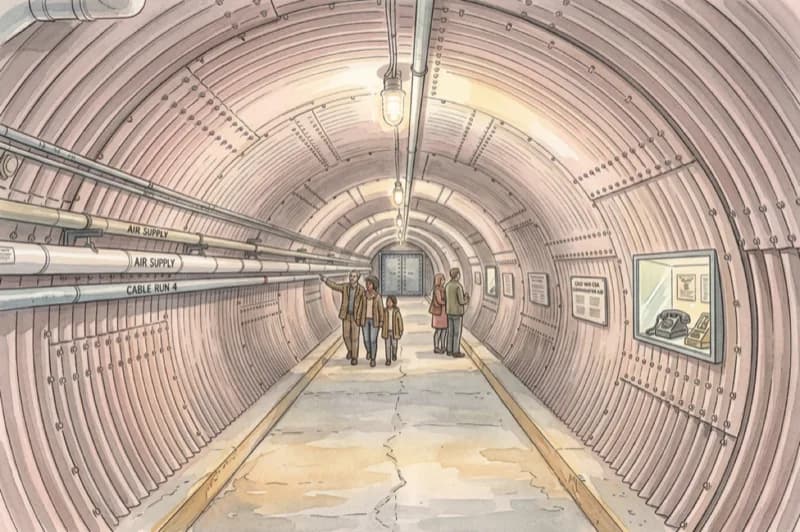
Diefenbunker: Canada's Cold War Museum
A four-storey underground bunker built in 1959 as Canada's emergency government headquarters during the Cold War. Now a National Historic Site, it offers self-guided tours, guided tours, and an escape room experience 75 feet below ground.
Information may change. If you spot anything outdated or incorrect, let us know.